LATEST NEWS
-

-
नवादा रेलवे लाइन पर महिला का वीडियो वायरल, RPF ने लिया संज्ञान, सुरक्षा व्यवस्था पर उठे सवाल
-

-
गोपालगंज की ADM राजेश्वरी पांडे पर SVU का शिकंजा, आय से अधिक संपत्ति मामले में चार ठिकानों पर
-

-
छपरा के नकली सोना गिरोह पर पुलिस का शिकंजा, चार गिरफ्तार होकर जेल गए, 'सोने का मुकुट' में
-

-
मुंगेर में बेख़ौफ़ चोर ! छतीसगढ़ में तैनात CISF जवान के बंद घर में चोरी, लाखों की
-

-
नशा तस्करी के खिलाफ मुजफ्फरपुर पुलिस का बड़ा एक्शन, 21 किलो गांजा के साथ तस्कर गिरफ्तार
If you want to become an interior designer, then know how your career will be in the eyes of Jiya Sultania, what Patna will have to learn from global trends, read the complete philosophy of career, city and accessibility
Career in Interior Design:Patna-based interior designer Jiya Sultania,, who studied interior design in New York, believes the biggest lesson to be learned from global cities is accessibility...

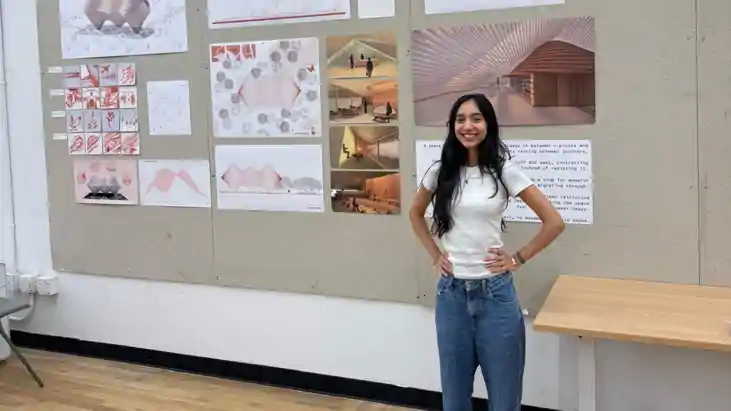
design that leads the way- फोटो : reporter

Career in Interior Design:In this rapidly changing world, interior design is no longer just about beauty or luxury. This has become a serious discussion related to the future of career, society and cities.Patna-based interior designer Jiya Sultania, who studied interior design in New York,She believes the biggest lesson to be learned from global cities is “accessibility”—not just tall buildings or flashy interiors.Jiya has written in her article that....

I was born in Patna and now work as an interior designer. Studying interior design in New York exposed me to how cities around the world think about movement, daily life, and people. This distance made me question how places like Patna serve their residents, not with criticism, but with curiosity. My grandmother inspired my focus on accessibility. As she has aged, walking is increasingly difficult, and using a wheelchair outside feels nearly impossible. Despite development, Patna remains hard for her to navigate. Even attending a place of worship or visiting a public space demands significant effort, planning, and sometimes leads to staying home entirely. My core argument is this: cities must address accessibility, not just growth, to ensure all residents can participate in public life.

Good design is often misunderstood as something expensive or decorative. In reality, it’s about how easily someone can enter a space, move through it, and leave without feeling tired, stressed, or excluded. Many global cities are beginning to design interiors around this concept, focusing on wellness, sustainability, and accessibility simultaneously.


One of the clearest places where design succeeds or fails is in crowded spaces. In Patna, rush hours are part of everyday life. Streets, markets, offices, and especially places of worship become dense, noisy, and physically demanding. For many people, this is manageable. For others, elderly people, people with disabilities, or anyone with limited mobility, it can be overwhelming or even impossible. In a lot of spaces, access is still treated as an afterthought. Steps without ramps, narrow entrances, uneven flooring, and a lack of places to rest silently.

These are not just architectural issues, but they shape people’s sense of belonging.
Design can change this without taking away from tradition or spiritual experience. Simple decisions such as step-free entry points, clearer circulation paths, non-slip flooring, handrails, and seating placed intentionally can make spaces more usable for everyone. During peak hours or festivals, thoughtful interior planning can reduce crowd pressure and make movement safer rather than chaotic.
Global design practices are increasingly focused on planning for movement, not just appearance. Designers study how people flow through a space at different times of day and under different levels of stress. This way of thinking is especially useful for developing cities, where growth often happens faster than infrastructure can adapt.
Sustainability also plays a role here. Instead of rebuilding again and again, many designers are learning to work with what already exists, strengthening structures, improving light and ventilation, and choosing materials that age well. Patna already has strong traditions of local materials and craftsmanship. Preserving and adapting them is often more sustainable than replacing them.
I myself try to focus on creating spaces that feel restorative rather than overwhelming. Over time, I’ve realized that smaller cities don’t need to copy larger ones to improve quality of life. In fact, they often have more freedom to design with care.
Patna doesn’t need to grow faster to grow better. It needs spaces that recognize how people actually live, including those who move more slowly, need support, or experience the city differently. Thoughtful Interior design cannot solve every problem, but it can quietly decide who a space is really for.
Ultimately, Zia Sultania believes that Patna does not need to become New York to become better.It needs places that understand how people really live—especially those who walk slower or need support.Thoughtful interior design doesn't solve every problem, but it does define who the city is for.